Leh–Ladakh – The Land of High Passes
Leh–Ladakh, popularly known as the “Land of High Passes,” is one of India’s most extraordinary travel destinations. Nestled in the northern Himalayas, this high-altitude region is renowned for its dramatic mountain landscapes, crystal-clear lakes, ancient monasteries, winding roads, and unique Tibetan Buddhist culture. Surrounded by rugged peaks and vast barren valleys, Leh–Ladakh offers an unforgettable journey for adventure seekers, nature lovers, photographers, and spiritual travellers. Every corner of the region showcases breathtaking beauty, making it one of the most sought-after destinations in the world.
Why Visit Leh–Ladakh
Leh–Ladakh offers an experience unlike any other destination in India. From riding through some of the world’s highest motorable roads to witnessing pristine blue lakes, centuries-old monasteries, colourful prayer flags, and star-filled night skies, every moment feels magical. Whether you’re seeking thrilling adventures, peaceful landscapes, cultural exploration, or unforgettable road trips, Leh–Ladakh promises memories that last a lifetime.
History and Cultural Heritage
Leh–Ladakh has a rich history that dates back centuries, serving as an important trade route between India, Tibet, and Central Asia. The region has a strong Tibetan Buddhist influence, reflected in its magnificent monasteries, traditional architecture, colourful festivals, and peaceful way of life. Ancient palaces, prayer wheels, Buddhist stupas, and monasteries preserve Ladakh’s spiritual heritage, while the warmth and hospitality of the local people create a welcoming atmosphere for visitors.
Natural Beauty of Leh–Ladakh
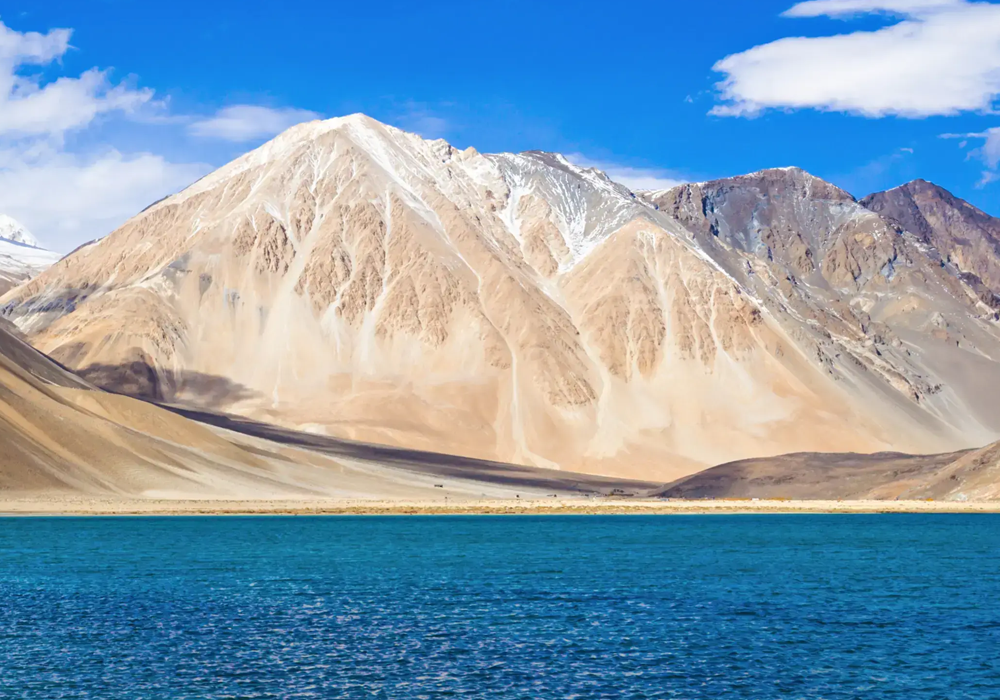
The natural beauty of Leh–Ladakh is unlike anywhere else. Towering snow-covered mountains, vast cold deserts, sparkling rivers, turquoise lakes, dramatic valleys, and endless blue skies create landscapes that appear almost surreal. The region is home to breathtaking destinations such as Pangong Lake, Tso Moriri, Nubra Valley, and Zanskar Valley, each offering unique scenery and unforgettable experiences.
Best Time to Visit Leh–Ladakh
The ideal time to visit Leh–Ladakh is from May to September when the roads are open, the weather is pleasant, and most tourist attractions are easily accessible. Summer offers comfortable temperatures for sightseeing, trekking, camping, and bike trips. Winter, from October to March, transforms the region into a snowy wonderland and attracts adventure enthusiasts for the famous Chadar Trek and winter photography, although temperatures can fall well below freezing.
Leh – The Heart of Ladakh
Leh serves as the gateway to Ladakh and is the region’s cultural and administrative centre. The town is surrounded by majestic mountains and is home to vibrant markets, traditional cafés, ancient monasteries, and historic landmarks. Visitors can explore Leh Palace, Shanti Stupa, local bazaars, and nearby monasteries while experiencing the unique blend of traditional Ladakhi culture and modern tourism.
Pangong Lake – The Jewel of Ladakh
Pangong Lake is one of the most iconic attractions in Leh–Ladakh. Stretching across India and Tibet, this breathtaking high-altitude lake is famous for its crystal-clear blue waters that change colours throughout the day. Surrounded by rugged mountains, Pangong Lake offers spectacular sunrise and sunset views and has become one of the most photographed destinations in India.
Nubra Valley – The Valley of Flowers
Nubra Valley is known for its stunning contrast of sand dunes, rivers, green villages, and snow-covered mountains. Located beyond the famous Khardung La Pass, the valley offers visitors the unique experience of riding double-humped Bactrian camels across the cold desert. The peaceful monasteries, scenic landscapes, and charming villages make Nubra Valley one of Ladakh’s must-visit destinations.
Tso Moriri Lake
Tso Moriri is a beautiful high-altitude lake located amidst remote mountains and untouched wilderness. Known for its tranquil surroundings and crystal-clear waters, the lake is a paradise for birdwatchers, photographers, and nature enthusiasts. Its peaceful atmosphere makes it one of the most serene destinations in Ladakh.
Khardung La Pass
Khardung La is one of the world’s highest motorable mountain passes and is a dream destination for bikers and road-trip enthusiasts. Offering spectacular panoramic views of the surrounding Himalayan ranges, the pass serves as the gateway to Nubra Valley and provides one of the most thrilling driving experiences in the world.
Magnetic Hill
Magnetic Hill is one of Ladakh’s most fascinating natural attractions. This unique location creates an optical illusion where vehicles appear to move uphill against gravity. Visitors from around the world stop here to witness this intriguing phenomenon while enjoying the surrounding mountain scenery.
Monasteries of Ladakh
Leh–Ladakh is home to numerous ancient Buddhist monasteries that reflect the region’s spiritual heritage. Hemis Monastery, Thiksey Monastery, Diskit Monastery, Alchi Monastery, Lamayuru Monastery, and Spituk Monastery are among the most famous. These monasteries offer stunning architecture, peaceful surroundings, colourful festivals, and breathtaking views of the Himalayan landscape.
Adventure Activities
Leh–Ladakh is one of India’s greatest adventure destinations. Visitors can enjoy high-altitude motorcycle expeditions, trekking, river rafting on the Zanskar River, mountain biking, camping beside pristine lakes, wildlife photography, camel safaris in Nubra Valley, and off-road driving across rugged mountain terrain. The region’s challenging landscapes make it a paradise for adventure lovers from around the globe.
Wildlife and Nature
Leh–Ladakh is home to a remarkable variety of Himalayan wildlife. Visitors may encounter snow leopards, Himalayan blue sheep, Tibetan wild asses (Kiang), marmots, yaks, ibex, Himalayan wolves, and numerous species of migratory birds around the region’s lakes and wetlands. Nature enthusiasts will appreciate the untouched beauty and rich biodiversity of this high-altitude ecosystem.
Local Cuisine
Ladakhi cuisine reflects the region’s unique climate and cultural influences. Traditional dishes such as Thukpa, Momos, Skyu, Tingmo, Chhutagi, and Butter Tea are widely enjoyed by both locals and visitors. Fresh ingredients, hearty soups, and warm beverages provide comfort in the region’s cool climate, while local cafés also offer a blend of Ladakhi, Tibetan, and international cuisine.
Shopping in Leh–Ladakh
Shopping in Leh is an enjoyable experience for travellers looking for authentic souvenirs. The local markets offer beautifully handcrafted Tibetan jewellery, prayer wheels, Buddhist artefacts, Pashmina products, woollen clothing, handmade carpets, traditional masks, apricot products, dried fruits, and locally crafted handicrafts that reflect Ladakh’s rich cultural heritage.
How to Reach Leh–Ladakh
Leh–Ladakh can be reached by both air and road. Kushok Bakula Rimpochee Airport in Leh operates regular flights from major Indian cities, making it the fastest way to reach the region. Adventure travellers often choose the scenic road routes from Manali or Srinagar, which pass through spectacular mountain passes and breathtaking Himalayan landscapes. These highways remain open primarily during the summer months.
Accommodation Options
Leh–Ladakh offers accommodation suitable for every type of traveller. Luxury resorts, boutique hotels, traditional guesthouses, homestays, campsites, and eco-lodges are available across Leh, Nubra Valley, Pangong Lake, and other tourist destinations. Staying in a lakeside camp or a traditional Ladakhi homestay provides an authentic and memorable travel experience.
Travel Tips
Due to the high altitude, visitors should spend at least one day acclimatising after arriving in Leh before engaging in strenuous activities. Staying hydrated, avoiding excessive physical exertion during the first 24 hours, carrying warm clothing, sunscreen, sunglasses, and essential medications is highly recommended. Travellers should also check road and weather conditions before planning journeys to remote areas, especially during early and late travel seasons.
Conclusion
Leh–Ladakh is a destination that combines breathtaking landscapes, thrilling adventures, ancient monasteries, vibrant culture, and unforgettable road journeys. Whether you’re riding across the world’s highest mountain passes, camping beside the crystal-clear waters of Pangong Lake, exploring the sand dunes of Nubra Valley, or finding peace in centuries-old monasteries, every moment in Ladakh is extraordinary. With its unmatched natural beauty and unique Himalayan charm, Leh–Ladakh offers an experience that remains etched in the hearts of travellers long after the journey ends.