Jaipur – The Pink City of India
Jaipur, the capital city of Rajasthan, is one of India’s most vibrant and culturally rich destinations. Popularly known as the “Pink City,” Jaipur is famous for its magnificent forts, royal palaces, colourful bazaars, rich heritage, traditional arts, and warm Rajasthani hospitality. As part of the renowned Golden Triangle tourist circuit along with Delhi and Agra, Jaipur attracts millions of visitors from around the world every year. Whether you are passionate about history, architecture, shopping, culture, or cuisine, Jaipur offers an unforgettable travel experience.
Why Visit Jaipur
Jaipur is a perfect blend of royal heritage and modern lifestyle. The city offers stunning palaces, majestic forts, UNESCO World Heritage Sites, vibrant markets, cultural performances, luxury hotels, and authentic Rajasthani cuisine. From exploring magnificent hilltop forts to shopping for handcrafted jewellery and textiles, Jaipur provides memorable experiences for every traveller.
History and Cultural Heritage
Founded in 1727 by Maharaja Sawai Jai Singh II, Jaipur was India’s first planned city, designed according to the principles of Vastu Shastra and ancient Indian architecture. The city served as the capital of the Rajput kingdom of Amber before becoming the capital of Rajasthan. Jaipur’s royal palaces, forts, temples, and traditional crafts beautifully preserve the legacy of Rajput culture, making it one of India’s most historically significant cities.
Best Time to Visit Jaipur
The best time to visit Jaipur is from October to March, when the weather remains cool and pleasant for sightseeing and outdoor activities. Winter is ideal for exploring forts, palaces, gardens, and local markets. Summers from April to June can be extremely hot, while the monsoon season from July to September brings occasional rainfall and refreshing greenery.
Amber Fort
Amber Fort is one of Jaipur’s most iconic attractions and a UNESCO World Heritage Site. Built with red sandstone and marble, the fort showcases magnificent Rajput architecture with beautifully decorated courtyards, grand halls, mirror work, temples, and scenic views of Maota Lake. The evening light and sound show adds to its historical charm.
City Palace
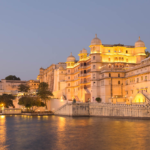
Located in the heart of Jaipur, the City Palace is a magnificent royal residence that reflects the grandeur of Rajput and Mughal architecture. The palace complex includes museums, courtyards, royal collections, colourful gateways, and beautifully decorated halls. A portion of the palace is still home to Jaipur’s royal family.
Hawa Mahal
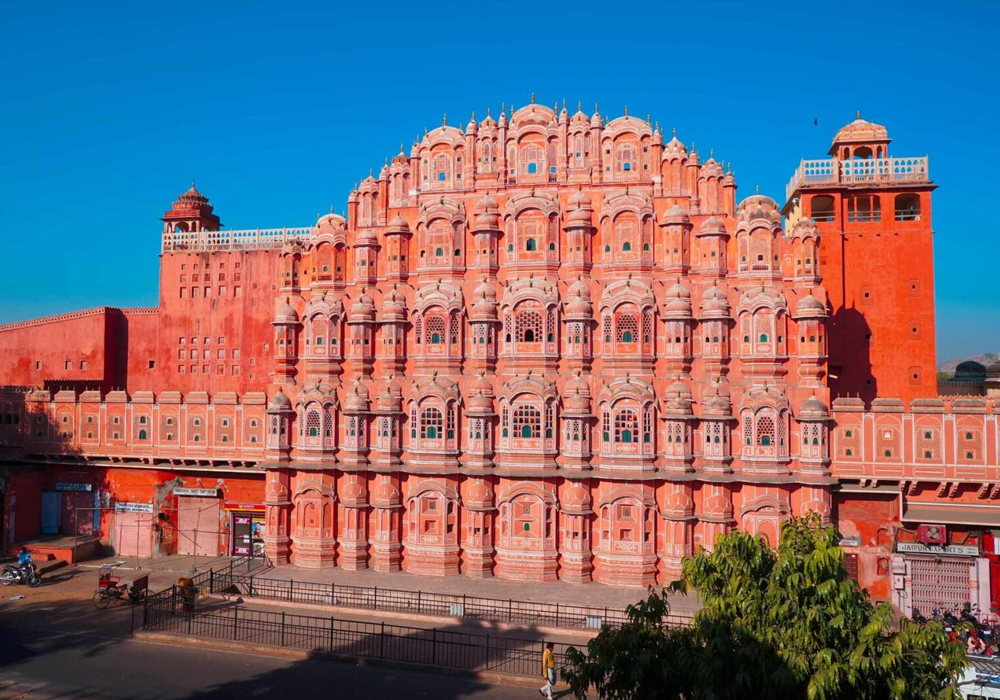
Hawa Mahal, also known as the Palace of Winds, is Jaipur’s most recognisable landmark. Built in 1799, this five-storey pink sandstone structure features 953 intricately designed windows that allowed royal women to observe street festivals while remaining unseen. Its unique honeycomb architecture makes it one of India’s most photographed monuments.
Jantar Mantar
Jantar Mantar is a UNESCO World Heritage Site and one of the world’s largest astronomical observatories built by Maharaja Sawai Jai Singh II. The observatory houses impressive astronomical instruments that accurately measure time, planetary positions, and celestial movements, showcasing India’s remarkable scientific achievements.
Nahargarh Fort
Perched on the Aravalli Hills, Nahargarh Fort offers breathtaking panoramic views of Jaipur city. Originally built as a defensive fort, it now attracts visitors with its historic architecture, scenic viewpoints, museums, and spectacular sunsets overlooking the Pink City.
Jaigarh Fort
Jaigarh Fort is famous for housing Jaivana, one of the world’s largest wheeled cannons. The fort features massive walls, watchtowers, underground passages, water reservoirs, and stunning views of Amber Fort and the surrounding hills, making it an important symbol of Jaipur’s military history.
Jal Mahal
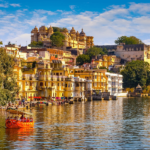
Jal Mahal, or the Water Palace, stands gracefully in the middle of Man Sagar Lake. Surrounded by peaceful waters and the Aravalli Hills, this architectural masterpiece offers one of Jaipur’s most picturesque views. The lakeside promenade is especially beautiful during sunrise and sunset.
Albert Hall Museum
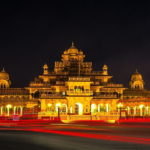
Albert Hall Museum is Rajasthan’s oldest museum and showcases an extensive collection of paintings, sculptures, textiles, carpets, metalwork, miniature art, and ancient artefacts. Its Indo-Saracenic architecture and beautifully illuminated exterior make it one of Jaipur’s major cultural attractions.
Bazaars and Shopping
Jaipur is a shopper’s paradise, renowned for its traditional handicrafts and colourful markets. Popular shopping destinations include Johari Bazaar, Bapu Bazaar, Tripolia Bazaar, Nehru Bazaar, and Chandpole Bazaar. Visitors can shop for gemstones, silver jewellery, block-printed textiles, blue pottery, leather goods, Mojari footwear, marble handicrafts, carpets, and traditional Rajasthani souvenirs.
Gardens and Parks
Jaipur offers several beautiful gardens and peaceful green spaces. Sisodia Rani Garden, Kanak Vrindavan Garden, Central Park, Ram Niwas Garden, and Jawahar Circle Garden provide relaxing environments for morning walks, photography, and family outings amidst nature.
Local Cuisine
Jaipur is celebrated for its rich Rajasthani cuisine. Visitors can enjoy famous dishes such as Dal Baati Churma, Laal Maas, Gatte Ki Sabzi, Ker Sangri, Pyaaz Kachori, Mirchi Vada, Ghewar, Mawa Kachori, Rabri, and traditional Rajasthani thalis. The city also offers excellent cafés, fine-dining restaurants, and international cuisines.
Shopping in Jaipur
Jaipur offers everything from traditional handicrafts to designer boutiques. Popular shopping areas include Johari Bazaar, Bapu Bazaar, Tripolia Bazaar, MI Road, World Trade Park, and Pink Square Mall. Visitors can purchase jewellery, gemstones, textiles, handicrafts, home décor, paintings, antiques, and handcrafted souvenirs at competitive prices.
How to Reach Jaipur
Jaipur is well connected by air, rail, and road. Jaipur International Airport offers domestic and international flight connectivity. The city is served by Jaipur Junction Railway Station, with regular trains from major Indian cities. National highways and luxury buses provide excellent road connectivity, while the Jaipur Metro and local taxis make travelling within the city convenient.
Accommodation Options
Jaipur offers accommodation for every type of traveller. Luxury heritage palaces, five-star hotels, boutique resorts, business hotels, budget hotels, guesthouses, hostels, and homestays are available across the city. Popular areas such as MI Road, C-Scheme, Bani Park, Malviya Nagar, and Amer Road provide comfortable stays for different budgets and travel preferences.
Travel Tips
Travellers should wear comfortable clothing and walking shoes while exploring Jaipur’s forts and markets. Carry drinking water, sunscreen, sunglasses, and a hat, especially during warmer months. Early morning and late afternoon are the best times for sightseeing. Bargaining is common in local markets, and using authorised taxis, ride-sharing services, or the Jaipur Metro ensures convenient travel around the city.
Conclusion
Jaipur is a city where royal heritage, magnificent architecture, vibrant culture, and timeless traditions come together beautifully. From the grandeur of Amber Fort and City Palace to the iconic Hawa Mahal and bustling local bazaars, every corner of the Pink City reflects Rajasthan’s glorious past and colourful present. Whether you seek history, architecture, shopping, cuisine, or cultural experiences, Jaipur promises an unforgettable journey and remains one of India’s most captivating travel destinations.