Agra – The City of the Taj Mahal
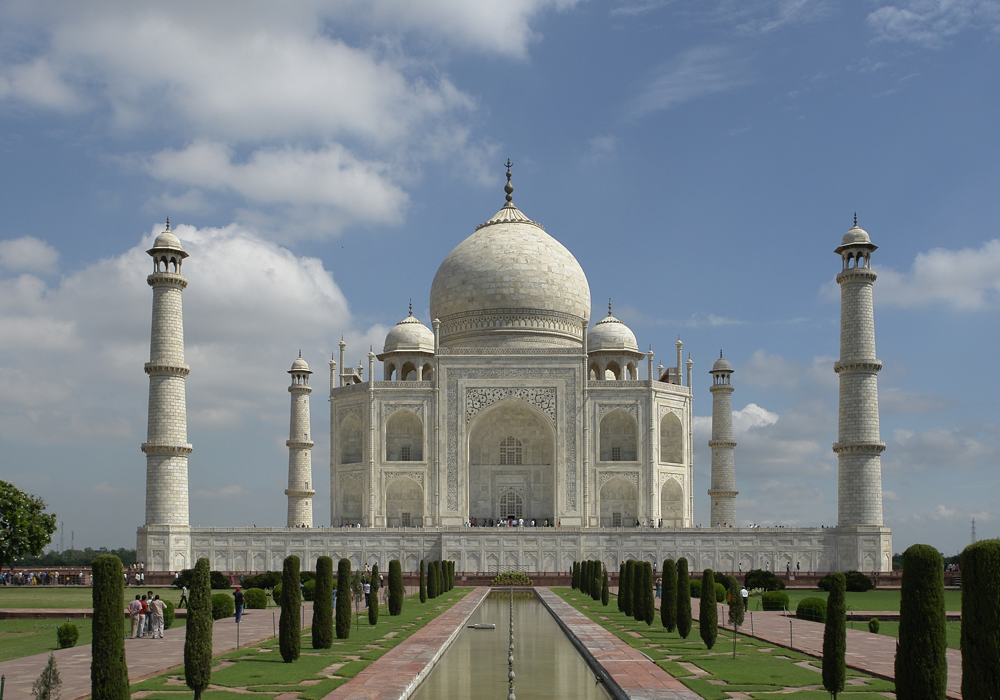
Agra, one of India’s most iconic tourist destinations, is famously known as the “City of the Taj Mahal.” Located on the banks of the Yamuna River in the state of Uttar Pradesh, Agra is renowned for its magnificent Mughal architecture, rich history, and cultural heritage. Home to the world-famous Taj Mahal, a UNESCO World Heritage Site and one of the Seven Wonders of the World, Agra attracts millions of visitors every year. The city offers a perfect blend of historical monuments, beautiful gardens, vibrant markets, and traditional craftsmanship.
Why Visit Agra
Agra is a must-visit destination for anyone interested in history, architecture, and culture. Visitors can admire the breathtaking beauty of the Taj Mahal, explore majestic forts and palaces, discover centuries-old Mughal monuments, shop for exquisite marble handicrafts, and savour the city’s famous cuisine. Whether you are a history enthusiast, photographer, honeymoon couple, or family traveller, Agra offers unforgettable experiences throughout the year.
History and Cultural Heritage
Agra played a significant role during the Mughal Empire and served as its capital under several emperors, including Akbar, Jahangir, and Shah Jahan. During this golden era, the city became a centre of art, architecture, literature, and culture. Many of the magnificent monuments built during this period continue to stand as symbols of India’s glorious past and attract visitors from around the world.
Best Time to Visit Agra
The best time to visit Agra is from October to March, when the weather is pleasant and comfortable for sightseeing. Winter offers ideal conditions for exploring monuments and enjoying outdoor attractions. Summer, from April to June, can be quite hot, while the monsoon season from July to September brings occasional rainfall and lush greenery around the city’s gardens and monuments.
Taj Mahal
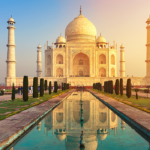
The Taj Mahal is the crown jewel of Agra and one of the most celebrated monuments in the world. Built by Mughal Emperor Shah Jahan in memory of his beloved wife Mumtaz Mahal, this magnificent white marble mausoleum is a masterpiece of Mughal architecture. Its intricate carvings, symmetrical gardens, reflecting pools, and stunning beauty make it one of the most photographed landmarks on Earth. Watching the Taj Mahal during sunrise or sunset offers an unforgettable experience.
Agra Fort
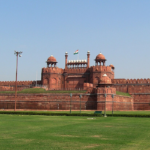
Agra Fort is a UNESCO World Heritage Site and one of India’s finest Mughal forts. Built by Emperor Akbar using red sandstone, the fort houses magnificent palaces, royal courtyards, mosques, audience halls, and beautiful gardens. Visitors can explore its impressive architecture while enjoying panoramic views of the Taj Mahal from within the fort.
Fatehpur Sikri
Located about forty kilometres from Agra, Fatehpur Sikri is another UNESCO World Heritage Site and one of the best-preserved Mughal cities in India. Built by Emperor Akbar, the city features magnificent palaces, courtyards, mosques, and the grand Buland Darwaza, one of the highest gateways in the world. Its remarkable architecture reflects the artistic brilliance of the Mughal era.
Mehtab Bagh
Mehtab Bagh is a beautifully landscaped Mughal garden situated across the Yamuna River from the Taj Mahal. The garden offers spectacular panoramic views of the monument, particularly during sunrise and sunset. It is one of the best places for photography and provides a peaceful escape from the city’s busy streets.
Itmad-ud-Daulah’s Tomb
Often referred to as the “Baby Taj,” Itmad-ud-Daulah’s Tomb is considered one of the earliest Mughal monuments built entirely from white marble. The intricate marble inlay work and elegant Persian-inspired architecture make this beautiful monument an important precursor to the Taj Mahal.
Jama Masjid
The Jama Masjid of Agra is one of the city’s most significant historical mosques. Built by Shah Jahan in memory of his daughter Jahanara Begum, the mosque showcases magnificent Mughal architecture with impressive domes, courtyards, and intricate carvings, making it an important religious and architectural landmark.
Adventure and Cultural Experiences
While Agra is primarily known for its historical monuments, visitors can also enjoy heritage walks, photography tours, cultural performances, riverfront walks along the Yamuna, and guided evening tours that bring the city’s rich history to life. Traditional Mughal art demonstrations and marble inlay workshops provide fascinating insights into Agra’s craftsmanship.
Local Cuisine
Agra is famous for its rich Mughlai cuisine and delicious traditional sweets. Visitors can enjoy dishes such as Mughlai Biryani, Kebabs, Nihari, Bedai with Aloo Sabzi, Paneer delicacies, and various North Indian specialities. Agra’s world-famous Petha, a soft translucent sweet made from ash gourd, is the city’s signature delicacy and a favourite souvenir for visitors.
Shopping in Agra
Shopping in Agra offers visitors the opportunity to purchase exquisite marble handicrafts, Pietra Dura artwork, leather goods, carpets, jewellery, brassware, handwoven textiles, and traditional souvenirs. Popular shopping areas include Sadar Bazaar, Kinari Bazaar, Shah Market, and local handicraft emporiums where skilled artisans showcase their craftsmanship.
How to Reach Agra
Agra is well connected by air, rail, and road. The city is easily accessible from Delhi via the Yamuna Expressway, making it one of the most popular weekend destinations in North India. Agra Cantt Railway Station provides excellent connectivity with major Indian cities, while nearby airports and expanding transport infrastructure make travelling convenient for domestic and international visitors.
Accommodation Options
Agra offers accommodation for every budget and travel style. Luxury hotels with views of the Taj Mahal, heritage properties, boutique hotels, business hotels, budget guesthouses, and homestays are available throughout the city. Many hotels provide easy access to the Taj Mahal and other major attractions, ensuring a comfortable stay for visitors.
Travel Tips
Visitors should arrive early in the morning to avoid crowds at the Taj Mahal and enjoy pleasant weather. Comfortable walking shoes, sunscreen, hats, and drinking water are recommended while exploring monuments. It is advisable to purchase tickets in advance during peak tourist seasons and respect monument guidelines to help preserve Agra’s priceless heritage.
Conclusion
Agra is a city where timeless romance, magnificent Mughal architecture, and rich cultural heritage come together to create an unforgettable travel experience. From the breathtaking beauty of the Taj Mahal and the grandeur of Agra Fort to the historic charm of Fatehpur Sikri and the vibrant local markets, every corner of the city reflects the splendour of India’s imperial past. Whether you are a history enthusiast, architecture admirer, photographer, or leisure traveller, Agra promises memories that will last a lifetime.